
Landlord's Guide to Tenant-Abandoned Property in Maryland: Legal Planning Resource
When a tenant leaves belongings behind in a Maryland rental unit, a landlord can't simply haul everything away the next day. Maryland has specific rules around abandoned property, notice, and storage before a landlord may dispose of what's left — and getting it wrong can create liability. This guide helps landlords understand the legal and practical steps to consider before scheduling any junk removal, and when to consult an attorney. It is not legal advice.
Request a Junk Removal Estimate
Tell us what you need hauled in Bowie, MD & nearby areas.
Abandoned Property in and near Maryland Rentals
Maryland law treats a tenant's left-behind belongings as the tenant's property until abandonment is properly established — meaning a landlord generally should not remove, dispose of, or haul those items until the legal requirements for abandonment, notice, and any required storage period are satisfied. The specific steps and timelines depend on the lease, the circumstances of the move-out, and current Maryland statute, so a landlord should confirm the applicable requirements with an attorney before arranging any removal.
Practically, that means a landlord usually needs to document what was left, confirm whether abandonment has been legally established, provide any required notice, observe any storage period, and only then arrange hauling for items that may be disposed of under the applicable rules. The hauling estimate itself is the last step — not the first.
This resource is educational. It outlines the kinds of considerations a Maryland landlord should weigh before removing tenant-abandoned property and points toward legal counsel and the applicable statute — without claiming current notice periods, storage timelines, or disposal rights for any specific situation.
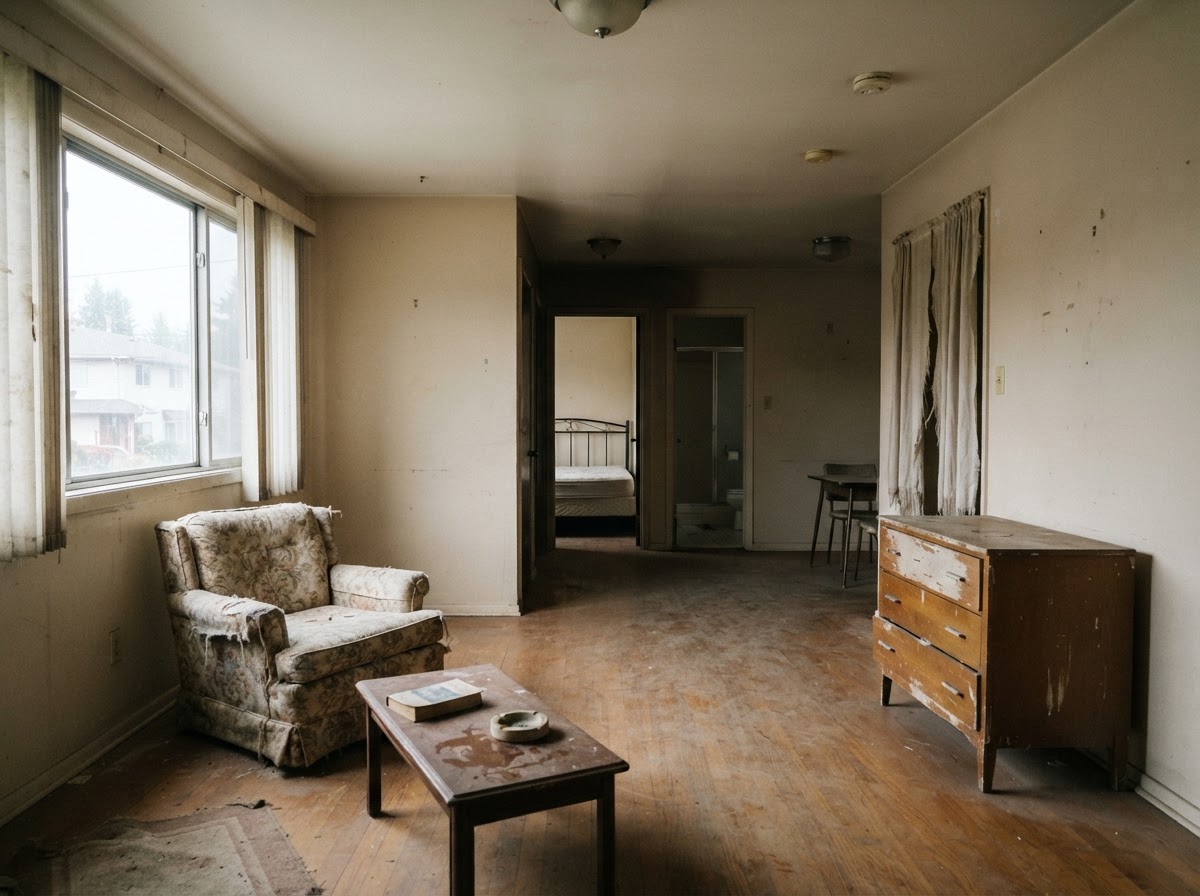
Items Commonly Left in Abandoned Rentals

Legal Steps vs. Hauling
Removing abandoned tenant property is a legal process, not a same-day junk removal job. Here's how the steps differ.
Document the unit
Photograph and inventory what was left behind, along with the unit's condition, before any removal — for your own records and any required notice.
Confirm abandonment
Whether abandonment is legally established depends on the lease, the tenant's actions, and current Maryland law. Confirm the standard applies with an attorney before removing anything.
Provide required notice
Maryland may require notice to the tenant before property is disposed of, and the notice form and timeline depend on the situation. Don't haul before the notice period is satisfied.
Observe storage if required
Some situations require a storage period before disposal. Where that applies, hauling cannot be scheduled until the storage obligation is met.
Haul the disposable items
Once the legal prerequisites are satisfied, the items that may be disposed of under the applicable rules can be described for a hauling estimate.
How to Plan an Abandoned-Property Removal in Maryland
Document Everything
Photograph the unit and inventory the left-behind items and the property's condition before any removal. Keep records for your file.
Confirm Abandonment With Counsel
Whether the tenant's property is legally abandoned depends on the lease, the circumstances, and current Maryland law. Confirm the standard applies with your attorney before removing anything.
Provide Any Required Notice
If Maryland requires notice before disposal, provide it in the correct form and allow the applicable notice period to pass before scheduling any hauling.
Observe Any Storage Period
Where a storage period applies before disposal, do not haul until that obligation is satisfied. Confirm the timeline with counsel.
Schedule Authorized Hauling
Once the legal prerequisites are met, describe the items, volume, and access for a hauling estimate. Keep the documentation in case questions arise later.
Abandoned-Property Removal Planning Checklist
Confirm these items before requesting a hauling estimate.
What Affects an Abandoned-Property Hauling Estimate
Legal readiness
Hauling can only be scheduled once abandonment, notice, and any storage period are satisfied. The estimate follows the legal timeline, not the other way around.
Volume
A few pieces of furniture and a full unit clear-out produce very different hauling scopes.
Access
Stairs, elevators, parking, and building access affect loading time and labor for a rental unit.
Mixed materials
Personal belongings, appliances, electronics, and trash may have different disposal considerations and should be separated where required.
Disposal of a Former Tenant's Belongings
Once the legal prerequisites for abandonment, notice, and any storage period are satisfied, the items that may be disposed of under the applicable rules can be hauled. Keep the inventory and documentation in case questions arise about what was removed and when.
Some items — electronics, appliances with refrigerants, paint, or possible hazardous materials — may require specialized handling rather than ordinary hauling. Separate those out and confirm the disposal route for each material before scheduling a mixed load.
This Is Not Legal Advice
This guide is educational and does not constitute legal advice. Maryland's rules on abandoned tenant property — including what establishes abandonment, required notice, storage periods, and a landlord's disposal rights — depend on the lease, the circumstances, and current statute. Confirm the applicable requirements with a Maryland attorney before removing, disposing of, or hauling any tenant's belongings. Junk Monsters does not establish abandonment, provide legal advice, or haul tenant property without the owner's verified authorization.
Related Landlord & Property Services
Tenant-Abandoned Property Questions for Maryland Landlords
Can I just call a junk removal crew the day after the tenant leaves?
Not safely. Until abandonment is legally established under the lease and current Maryland law, the belongings are generally still the tenant's property. Removing them prematurely can create liability. Document the unit, confirm abandonment with an attorney, and satisfy any notice or storage requirements before scheduling any hauling.
What counts as abandonment in Maryland?
Abandonment depends on the lease terms, the tenant's actions (such as surrendering keys or a long absence), and current Maryland statute. It's a legal determination — not something a junk removal crew can establish. Confirm with your attorney whether abandonment applies to your situation before removing anything.
Do I need to give the tenant notice before disposing of their property?
Maryland may require notice before a landlord disposes of left-behind property, and the form and timing depend on the situation. Confirm the current notice requirement with an attorney and allow any required period to pass before scheduling hauling.
Is there a storage period I have to observe?
Some situations require a storage period before the property may be disposed of. Where that applies, hauling cannot be scheduled until the storage obligation is met. Confirm whether and how long a storage period applies to your situation with counsel.
What should I document before anything is hauled?
Photograph the unit's condition and inventory the left-behind items before any removal. Keep the records in case the tenant later questions what was removed or when. Good documentation protects the landlord if a dispute arises.
Can Junk Monsters decide whether the property is abandoned?
No. Junk Monsters does not establish abandonment, provide legal advice, or haul a tenant's belongings without the property owner's verified authorization. We handle the hauling once the legal prerequisites are satisfied and the owner has authorized the removal.
Dealing With Tenant-Abandoned Property in a Maryland Rental?
Don't haul first. Document the unit, confirm abandonment and any notice or storage requirements with an attorney, and satisfy the legal prerequisites. Once removal is authorized, describe the items, volume, and access — and request a hauling estimate, or call us to talk through the scope.