
Heating Oil Tank Removal Rules in Maryland: Regulatory Overview
Many older Maryland homes — including properties in and around Bowie — were heated with oil, and some still have an underground or basement steel tank that is no longer in use. Removing a heating oil tank is not a junk removal job: it can involve residual fuel pumping, soil assessment, and licensed disposal under state and local oversight. This resource explains how to think about oil tank removal rules in Maryland and how to confirm current requirements. Junk Monsters does not pump, remove, transport, or remediate oil tanks.
Request a Junk Removal Estimate
Tell us what you need hauled in Bowie, MD & nearby areas.
Oil Tank Removal Considerations in and near Maryland
Heating oil tanks — whether basement steel tanks or buried underground tanks — are regulated because residual fuel, sludge, and potential soil contamination require specialized handling. In Maryland, oil tank removal can involve pumping remaining fuel, cleaning the tank, assessing surrounding soil, and disposing of the tank through approved channels. Each step is typically performed by a licensed environmental or tank-services contractor, not a junk removal crew.
For a homeowner converting from oil to gas, selling a property, or clearing an unused tank, the oil tank removal process is a regulatory project that precedes any demolition or debris hauling. A failed or abandoned tank may also require soil testing and remediation if a leak is suspected. Junk Monsters does not perform any of these steps — our role, where applicable, is hauling ordinary nonhazardous debris after any required tank removal and demolition are complete.
This resource is educational. It explains how oil tank removal rules fit into property planning and points to official Maryland guidance — without claiming current permit thresholds, fees, acceptance rules, or exemption details, which must be confirmed with the state.
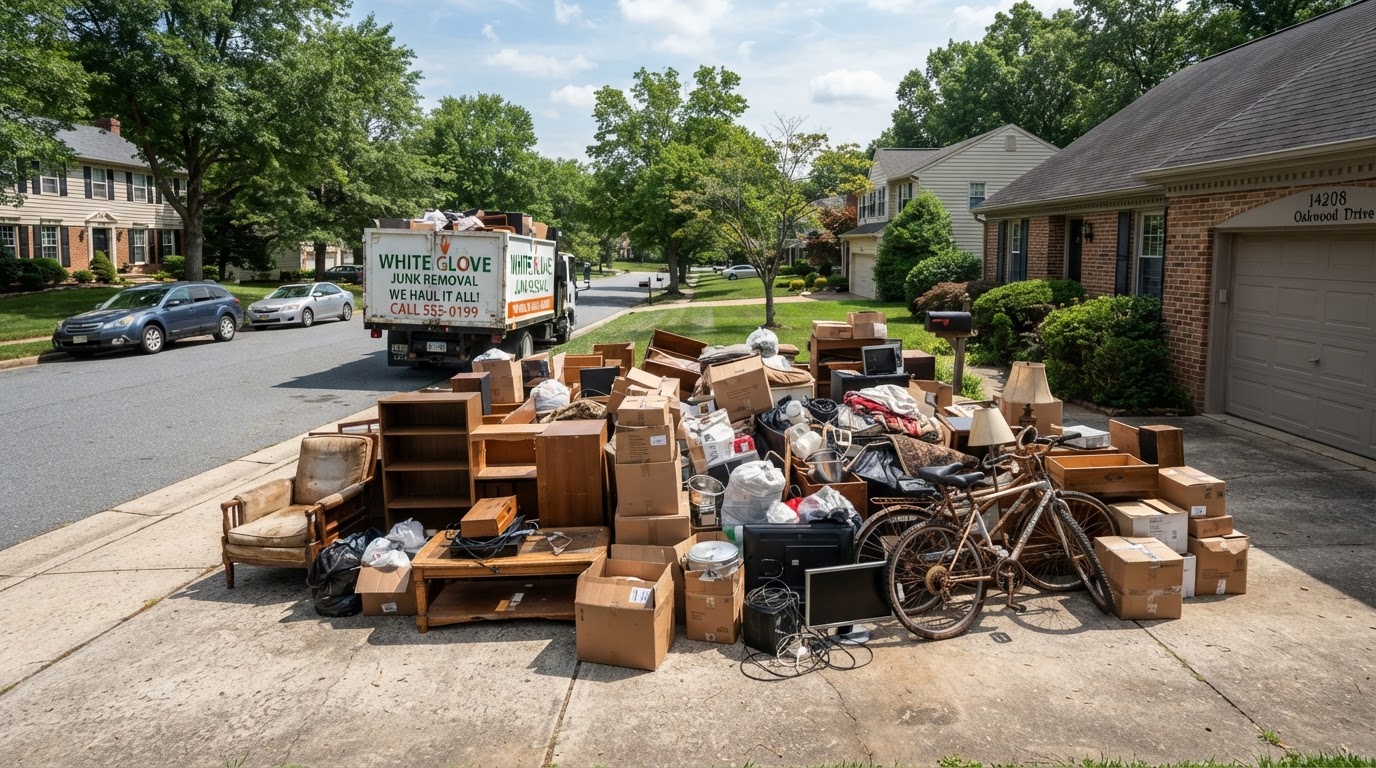
Oil Tank Scenarios That Require Specialized Handling
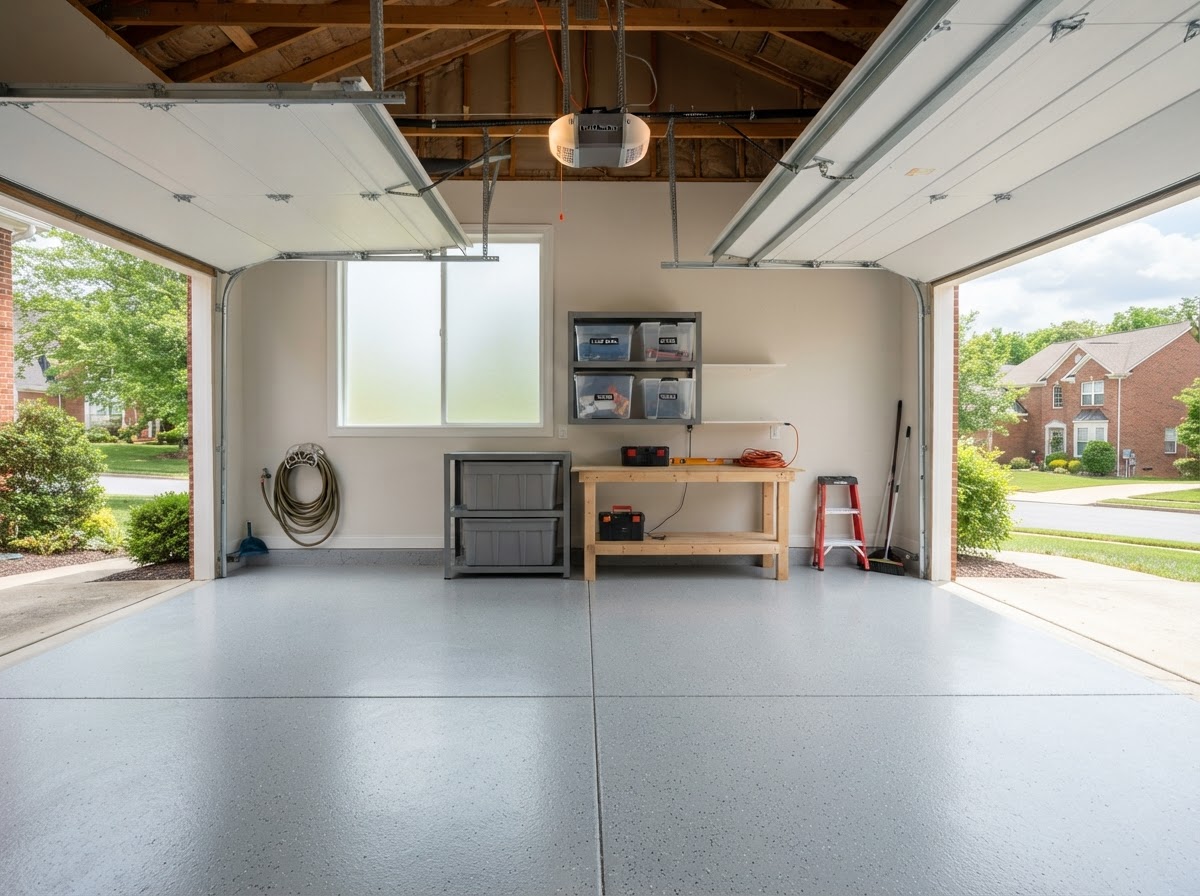
Licensed Tank Removal vs. Debris Hauling
An oil tank is not ordinary junk. Here's how the scopes differ.
Fuel pumping
Any remaining heating oil must be pumped and managed by a licensed handler before the tank is removed — not poured out or hauled as ordinary waste.
Tank removal and cleaning
A licensed tank-services or environmental contractor cleans and removes the tank under applicable state and local oversight.
Soil assessment
Where a leak is suspected, soil testing and possible remediation may be required before the site is cleared for use.
Ordinary debris hauling
Once required tank removal and demolition are complete, ordinary nonhazardous debris — old furnace parts, ductwork, clean debris — can be hauled as a separate estimate.
How Oil Tank Removal Fits Into Property Planning
Identify the Tank
Confirm whether the property has an active, abandoned, or unused heating oil tank — basement steel or underground — before any demolition or renovation.
Confirm Current State Requirements
Check current Maryland rules on oil tank removal, residual fuel handling, soil assessment, and licensed disposal for your specific situation.
Arrange Licensed Removal
Hire a licensed tank-services or environmental contractor to pump, clean, remove, and dispose of the tank under applicable oversight.
Assess and Remediate Soil If Needed
Where a leak is suspected, arrange soil testing and any required remediation before the site is cleared for use or sale.
Request Ordinary Debris Hauling
After required tank removal and demolition, ordinary nonhazardous debris — old furnace parts, ductwork, clean debris — can be hauled as a separate estimate.
Oil Tank Removal Planning Checklist
Confirm these details before requesting a removal-related hauling estimate.
Why an Oil Tank Is Not a Junk Removal Estimate
Residual fuel
Remaining heating oil must be pumped and managed by a licensed handler — not poured out or hauled as ordinary waste.
Regulated disposal
The tank itself and any contaminated soil are disposed of through approved channels under state oversight, not as junk.
Soil contamination
A suspected leak can trigger soil testing and remediation, which is a separate environmental scope.
Separate scopes
After licensed tank removal and demolition, ordinary nonhazardous debris can be hauled as a separate estimate — not the tank itself.
Heating Oil Tanks Are Regulated, Not Ordinary Junk
Heating oil tanks are regulated because residual fuel, sludge, and possible soil contamination require specialized handling. In Maryland, removing a tank can involve pumping remaining fuel, cleaning the tank, assessing surrounding soil, and disposing of the tank through approved channels — each step typically performed by a licensed tank-services or environmental contractor under state and local oversight.
Junk Monsters does not pump, remove, transport, remediate, or dispose of heating oil tanks or contaminated soil. If a property has an unused or abandoned oil tank, confirm the current removal, fuel-handling, soil-assessment, and disposal requirements with the state and a qualified contractor before scheduling any demolition or debris hauling work.
Junk Monsters Does Not Handle Oil Tanks
Junk Monsters does not pump, clean, remove, transport, remediate, or dispose of heating oil tanks, residual fuel, or contaminated soil. Oil tank removal is a licensed environmental and tank-services scope performed under state and local oversight. Confirm current requirements with the Maryland Department of the Environment and a qualified contractor before scheduling any related demolition or debris hauling.
Official Resources & Government Sources
Permit, notification and disposal rules change over time and vary by jurisdiction. Always confirm current requirements directly with the responsible agency before starting any demolition, removal or disposal project.
External links lead to official government websites. Junk Monsters is an independent junk removal and hauling service and is not a government agency, and these links do not imply endorsement.
Related Regulatory & Removal Resources
Heating Oil Tank Removal Questions in Maryland
Can Junk Monsters remove an old heating oil tank?
No. Heating oil tank removal — including pumping residual fuel, cleaning, transport, and any soil assessment or remediation — is a licensed environmental and tank-services scope. Junk Monsters does not handle oil tanks, fuel, or contaminated soil. Arrange a qualified contractor and confirm current state requirements first.
What if I'm converting from oil to gas and have a leftover tank?
An unused or abandoned oil tank should be addressed by a licensed tank-services contractor under Maryland oversight. Confirm the current removal, fuel-handling, and disposal rules with the state. Once the tank and any related demolition are handled, ordinary nonhazardous debris can be hauled as a separate estimate.
Does an underground tank require soil testing?
Where a leak is suspected, soil testing and possible remediation may be required before a site is cleared. Confirm whether your situation triggers soil assessment with the Maryland Department of the Environment and a qualified contractor before any removal work begins.
Can the old furnace be hauled after the tank is removed?
Once any required oil tank removal and demolition are complete, ordinary nonhazardous debris — like an old furnace, boiler, or ductwork — can be described for a separate hauling estimate. The tank and fuel themselves are never part of that estimate.
Do I need a permit to remove a heating oil tank in Maryland?
Oil tank removal can involve state and local oversight, licensed contractors, and possible soil assessment. Confirm the current permit, notification, and contractor requirements for your specific property and situation with the Maryland Department of the Environment before scheduling any removal.
What should I do before requesting debris hauling near a tank?
Confirm that any required oil tank pumping, removal, soil assessment, and demolition are arranged with a licensed contractor first. Then describe the ordinary nonhazardous debris — furnace, boiler, ductwork, clean debris — for a separate hauling estimate.
Dealing With an Old Heating Oil Tank in Maryland?
Confirm the current tank removal, fuel-handling, and soil-assessment requirements with the state and a qualified contractor first. Then describe the ordinary nonhazardous debris that will remain — and request a hauling estimate, or call us to talk through what's involved.