
Demolition Permits in Prince George's County, MD: Permit Planning Overview
Removing a shed, deck, fence, or interior structure in Prince George's County often starts with understanding which permits apply — and which don't. This resource explains the kinds of demolition projects that may require a permit, where separate licensed contractor or environmental review may be required, and how to confirm current requirements with the county before scheduling any work.
Request a Junk Removal Estimate
Tell us what you need hauled in Bowie, MD & nearby areas.
Demolition Permit Planning in and near Prince George's County
Prince George's County administers building and demolition permits through its permitting office, and the requirements that apply depend on the structure, scope, property, and project. A small shed removal, a deck tear-out, a fence replacement, and a full interior gut-out can each trigger different rules — and some projects require a licensed contractor, engineered plans, or a separate environmental review before a permit is issued.
Junk Monsters helps customers plan junk removal and debris hauling around demolition projects. We don't issue permits, and we don't advise that permits are unnecessary. Before any removal that involves demolition, confirm the current permit requirement with Prince George's County and, where applicable, a licensed contractor.
This resource is educational. It outlines how to think about permit planning for a demolition-related project in Prince George's County and points to the official county resource — without claiming current fee schedules, accepted scopes, or exemptions.
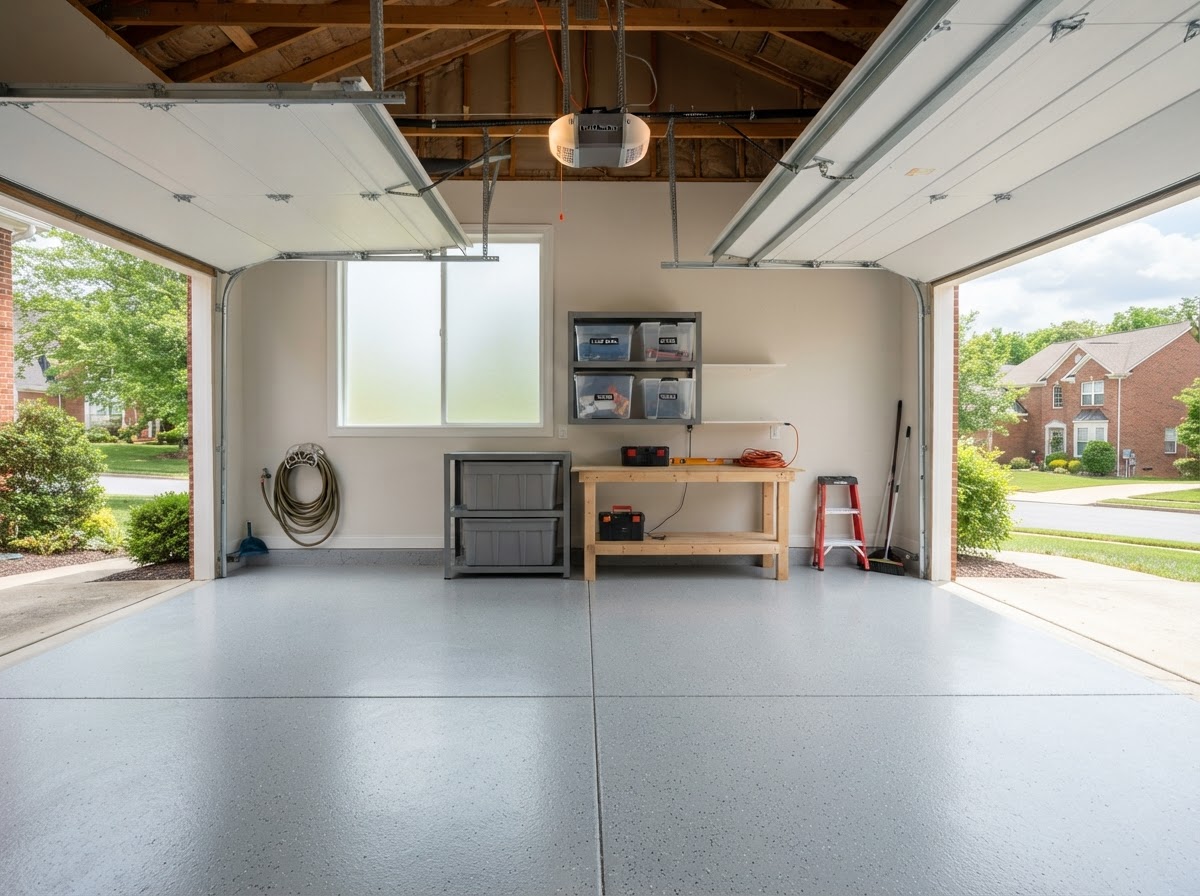
Demolition Projects That May Involve Permits
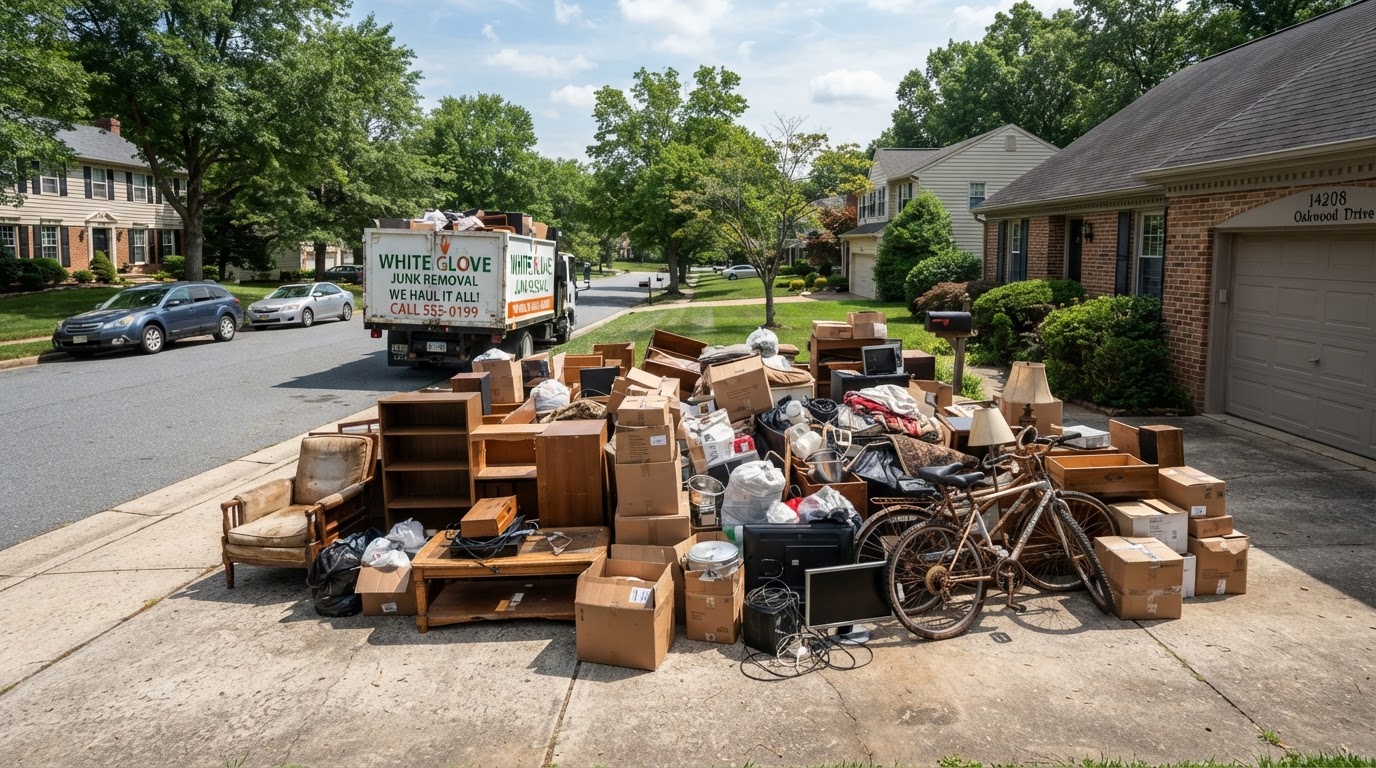
Permit Planning vs. Debris Hauling
A permit requirement and a debris hauling estimate are two different things. Here's how they relate.
Permit planning
The property owner or licensed contractor confirms what the county requires before demolition begins — permits, inspections, environmental review, or none of the above.
Licensed contractor scope
Structural, load-bearing, utility-connected, or engineered demolition typically requires a licensed contractor rather than a junk removal crew.
Selective demolition debris
Once permitted demolition is underway or complete, the resulting nonhazardous debris — lumber, fixtures, drywall — can be hauled as a separate removal estimate.
Restricted materials
Asbestos, lead, refrigerants, fuel tanks, and other regulated materials are not ordinary demolition debris and require specialized handling — not a junk removal estimate.
How to Plan a Demolition Project in Prince George's County
Identify the Structure and Scope
Determine whether the project is a full structure removal, a selective interior tear-out, or a fixture demolition. The scope drives the permit question.
Check Current County Requirements
Confirm the current permit, inspection, and contractor requirements for your structure and scope with Prince George's County before scheduling any work.
Separate Restricted Materials
Identify any asbestos, lead paint, refrigerants, fuel lines, or other regulated materials that require specialized handling rather than ordinary debris hauling.
Arrange Permitted Demolition
Where a permit or licensed contractor is required, arrange that scope first. Junk removal and debris hauling follow the permitted work, not the other way around.
Schedule Debris Hauling
Once demolition is underway or complete, request a debris hauling estimate describing the material volume, access, and scope.
Demolition Permit Planning Checklist
Confirm these details before requesting a demolition-related removal estimate.
Debris Hauling Estimate Factors
Material volume
A single shed's debris and a full interior gut-out produce very different volumes to haul.
Material type
Lumber, drywall, fixtures, and concrete each have different disposal and handling considerations.
Access
Side yards, tight gates, stairs, and narrow driveways affect loading time and labor.
Permitted scope
Debris hauling follows permitted demolition — the permit timeline affects when hauling can be scheduled.
Ordinary Debris vs. Restricted Demolition Materials
Ordinary nonhazardous demolition debris — wood framing, drywall, cabinets, fixtures, flooring, and roofing — can often be hauled as a separate removal estimate once the permitted demolition is complete or underway.
Restricted materials are different. Asbestos-containing materials, lead-based paint, refrigerants, fuel and oil tanks, and certain insulation require specialized licensed handling and disposal — not a junk removal estimate. If a project may involve regulated materials, confirm the environmental and disposal requirements with the county and a qualified contractor before scheduling any removal.
Junk Monsters Does Not Issue or Waive Permits
Junk Monsters does not issue demolition permits, advise that permits are unnecessary, or perform licensed structural, environmental, or utility demolition. Confirm current permit, contractor, and environmental requirements with Prince George's County before scheduling any demolition-related debris hauling.
Official Resources & Government Sources
Permit, notification and disposal rules change over time and vary by jurisdiction. Always confirm current requirements directly with the responsible agency before starting any demolition, removal or disposal project.
External links lead to official government websites. Junk Monsters is an independent junk removal and hauling service and is not a government agency, and these links do not imply endorsement.
Related Demolition & Debris Services
Demolition Permit Questions in Prince George's County
Does every shed or deck removal require a permit in Prince George's County?
Not necessarily, and the answer depends on the structure, size, scope, and current county rules. Some accessory-structure removals require a permit and others may not. Confirm the current requirement for your specific project with Prince George's County before scheduling any removal.
Can Junk Monsters handle the demolition permit for me?
No. Junk Monsters does not issue, pull, or waive demolition permits. Permits, licensed contractor scope, and environmental review are arranged by the property owner or a qualified contractor. We help plan and haul the debris once the permitted demolition scope is arranged.
What if my project involves asbestos or lead paint?
Asbestos, lead-based paint, refrigerants, and fuel tanks are regulated materials that require specialized licensed handling — not a junk removal estimate. Confirm the environmental requirements with the county and a qualified contractor before any demolition or removal work begins.
Can structural demolition be included in a junk removal estimate?
No. Structural, load-bearing, utility-connected, or engineered demolition requires a licensed contractor. Junk removal and debris hauling cover the nonhazardous debris that results once the permitted demolition scope is arranged and underway.
What should I describe when requesting a demolition debris estimate?
Describe the structure, scope, expected debris volume, material types, access (gates, stairs, driveway), and whether the permitted demolition is already arranged. The more detail you provide, the more accurately the hauling scope can be reviewed.
Do you pull permits for interior gut-outs?
No. Interior gut-outs that involve load-bearing walls, utility disconnection, or structural elements require a licensed contractor and, where applicable, a permit. Confirm the current requirement with the county before scheduling any interior demolition debris hauling.
Planning a Demolition Project in Prince George's County?
Confirm the current permit, contractor, and environmental requirements with the county first. Then describe the structure, scope, and debris volume — and request a hauling estimate, or call us to talk through what's involved.