Asbestos Notification Before Demolition in Maryland: Regulatory Overview
Before a demolition project begins in Maryland, the property owner or contractor may be required to complete an asbestos inspection and notification — and where asbestos is present, a licensed abatement contractor must handle removal before any demolition proceeds. This resource explains why asbestos notification exists, how it interacts with demolition planning, and how to confirm current requirements with the state. Junk Monsters does not perform asbestos abatement or transport.
Request a Junk Removal Estimate
Tell us what you need hauled in Bowie, MD & nearby areas.
Asbestos Notification in and near Maryland Demolition
Maryland regulates asbestos handling, notification, and disposal because asbestos-containing materials — commonly found in older homes in insulation, flooring, siding, and pipe wrap — can release hazardous fibers when disturbed during demolition. State rules generally require an asbestos inspection before demolition, notification where applicable, and licensed abatement by a certified contractor before any demolition work that would disturb asbestos.
For a property owner planning a demolition in Bowie or elsewhere in Maryland, the asbestos notification process is a prerequisite step — not something a junk removal crew performs. Junk Monsters does not test for asbestos, abate asbestos, or transport asbestos-containing waste. Our role, where applicable, is hauling ordinary nonhazardous demolition debris after any required abatement and demolition are complete.
This resource is educational. It explains how asbestos notification fits into demolition planning and points to official Maryland guidance — without claiming current notification thresholds, fees, exemptions, or acceptance rules, which must be confirmed with the state.
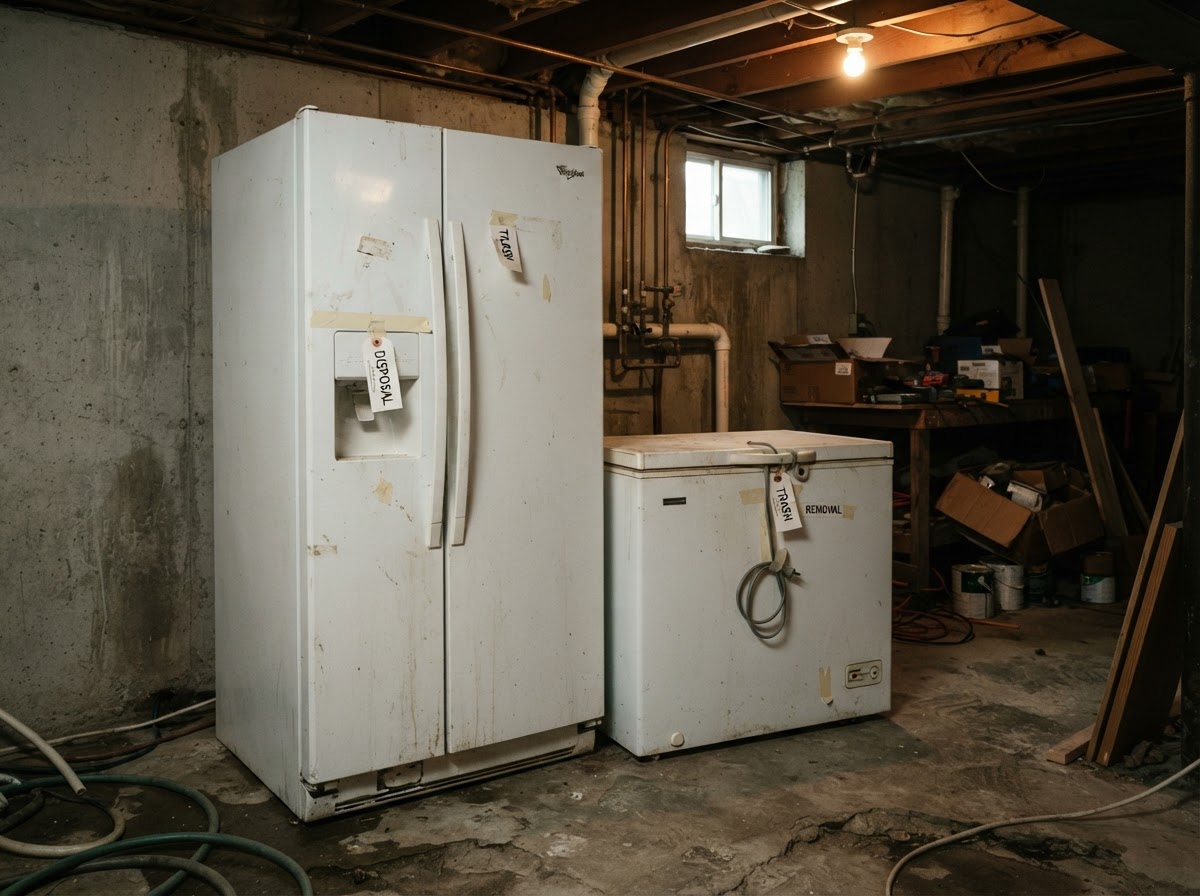
Materials That May Require Asbestos Review
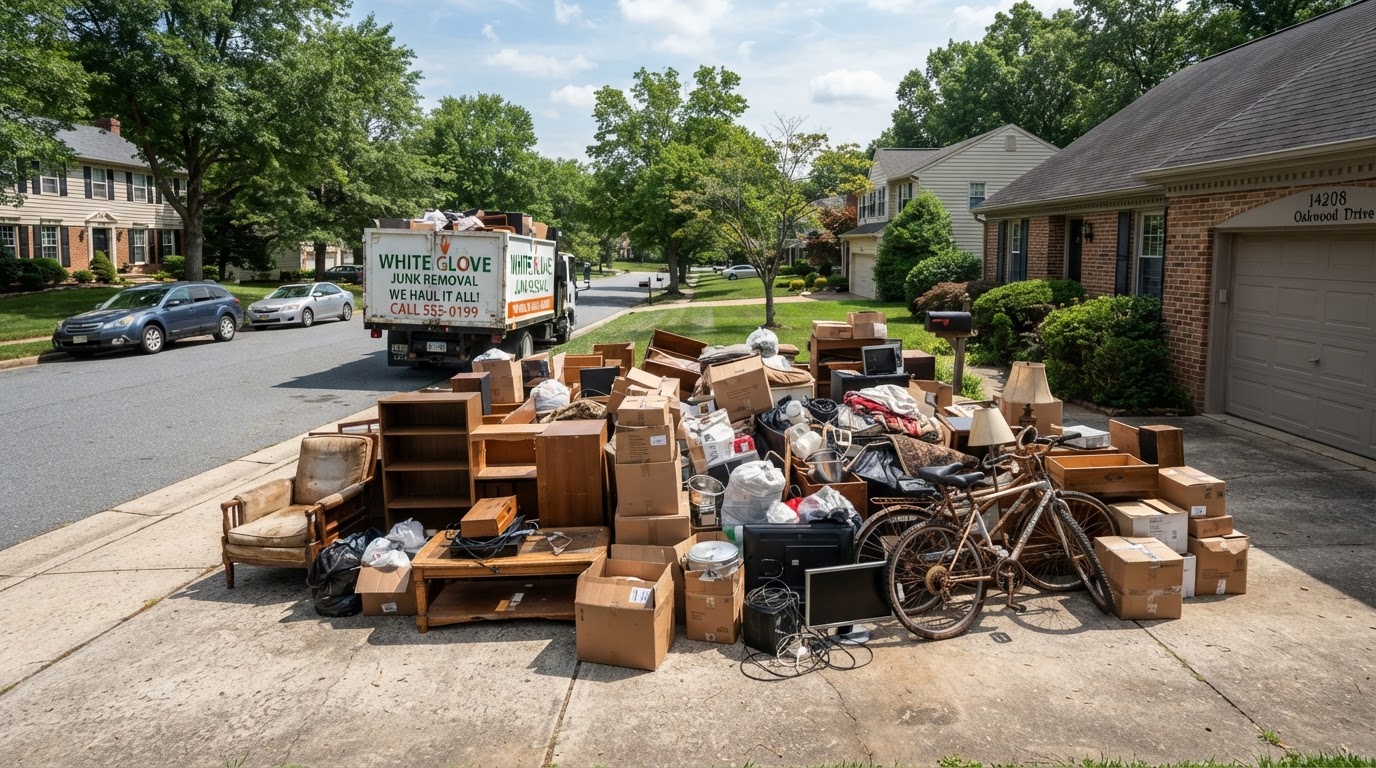
Asbestos Abatement vs. Debris Hauling
Asbestos handling and ordinary debris hauling are completely separate scopes. Here's how they differ.
Asbestos inspection
A qualified inspector assesses whether asbestos-containing materials are present before demolition begins. This step precedes any demolition planning.
Licensed abatement
Where asbestos is present, a certified asbestos abatement contractor removes and containers the material under regulatory controls before demolition proceeds.
Regulated transport
Asbestos-containing waste must be transported and disposed of by licensed handlers at an approved facility — not as ordinary junk removal.
Ordinary debris hauling
Once required abatement and demolition are complete, ordinary nonhazardous debris — clean lumber, drywall, fixtures — can be hauled as a separate estimate.
How Asbestos Notification Fits Into Demolition Planning
Schedule an Asbestos Inspection
Before demolition, have a qualified inspector assess the property for asbestos-containing materials — especially in older Maryland homes.
Confirm Notification Requirements
Confirm current Maryland notification, timing, and documentation requirements for your project scope and property with the state.
Arrange Licensed Abatement
Where asbestos is present, arrange removal by a certified asbestos abatement contractor before any demolition work begins.
Complete Permitted Demolition
Once abatement is complete, the permitted demolition — handled by a licensed contractor where structural — can proceed.
Request Ordinary Debris Hauling
After required abatement and demolition, ordinary nonhazardous debris can be hauled as a separate estimate — describe the volume, access, and scope.
Asbestos Notification Planning Checklist
Confirm these details before requesting a demolition-related removal estimate.
What Asbestos Notification Affects in a Project
Project sequencing
Abatement and notification precede demolition, and demolition precedes ordinary debris hauling. Hauling cannot replace required abatement.
Material separation
Asbestos-containing waste is hauled by licensed handlers; ordinary nonhazardous debris is a separate hauling estimate.
Access
Tight basements, older-home layouts, and utility-area access affect how debris is staged and loaded after abatement.
Documentation
State notification and abatement records are the property owner's and contractor's responsibility — not Junk Monsters'.
Why Asbestos Is Not Ordinary Demolition Debris
Asbestos-containing materials are regulated because airborne fibers pose a serious health hazard when disturbed. Maryland requires inspection, notification where applicable, and licensed abatement by a certified contractor before any demolition that would disturb asbestos. Asbestos waste must be containerized, transported, and disposed of through approved regulated channels — never as part of an ordinary junk removal estimate.
Junk Monsters does not perform asbestos inspections, abatement, or transport. If a demolition project may involve asbestos-containing materials — common in older Maryland homes — confirm the inspection, notification, and abatement requirements with the state and a qualified asbestos contractor before any demolition or debris hauling work is scheduled.
Junk Monsters Does Not Handle Asbestos
Junk Monsters does not test for, abate, containerize, transport, or dispose of asbestos-containing materials. Asbestos inspection, Maryland notification, licensed abatement, and regulated disposal are the responsibility of qualified inspectors and certified contractors. Confirm current requirements with the state before scheduling any demolition or debris hauling that may involve asbestos.
Official Resources & Government Sources
Permit, notification and disposal rules change over time and vary by jurisdiction. Always confirm current requirements directly with the responsible agency before starting any demolition, removal or disposal project.
External links lead to official government websites. Junk Monsters is an independent junk removal and hauling service and is not a government agency, and these links do not imply endorsement.
Related Demolition & Regulatory Resources
Asbestos Notification Questions in Maryland
Does every Maryland demolition require an asbestos notification?
Not necessarily, and the requirement depends on the property, materials, scope, and current state rules. Some demolition projects require an inspection and notification and others may not. Confirm the current requirement for your specific project with the Maryland Department of the Environment before scheduling any demolition work.
Can Junk Monsters remove asbestos for me?
No. Junk Monsters does not test for, abate, containerize, transport, or dispose of asbestos-containing materials. Asbestos handling requires a certified abatement contractor and regulated disposal — not a junk removal estimate.
What if my older Maryland home has asbestos-containing insulation?
Arrange a qualified asbestos inspection and, where required, licensed abatement by a certified contractor before any demolition. Once required abatement and demolition are complete, ordinary nonhazardous debris can be hauled as a separate estimate — but asbestos waste itself must go through regulated channels.
Do I need to notify the state before a small shed demolition?
The requirement depends on the structure, materials, and current state rules. Confirm whether your specific project triggers an inspection or notification with the Maryland Department of the Environment before scheduling any demolition or debris hauling.
Can asbestos debris be included in a junk removal estimate?
No. Asbestos-containing waste must be containerized, transported, and disposed of through approved regulated channels by licensed handlers. It is never part of an ordinary junk removal estimate.
What should I do before requesting demolition debris hauling?
Confirm that any required asbestos inspection, notification, and abatement are complete and that the permitted demolition is arranged. Then describe the ordinary nonhazardous debris volume, access, and scope for a separate hauling estimate.
Planning a Demolition That May Involve Asbestos?
Confirm the current asbestos inspection, notification, and abatement requirements with the state and a qualified contractor first. Then describe the ordinary nonhazardous debris that will remain — and request a hauling estimate, or call us to talk through what's involved.